
AAPI Heritage Month + "Perfect Days" and the Japanese habit of celebrating the everyday

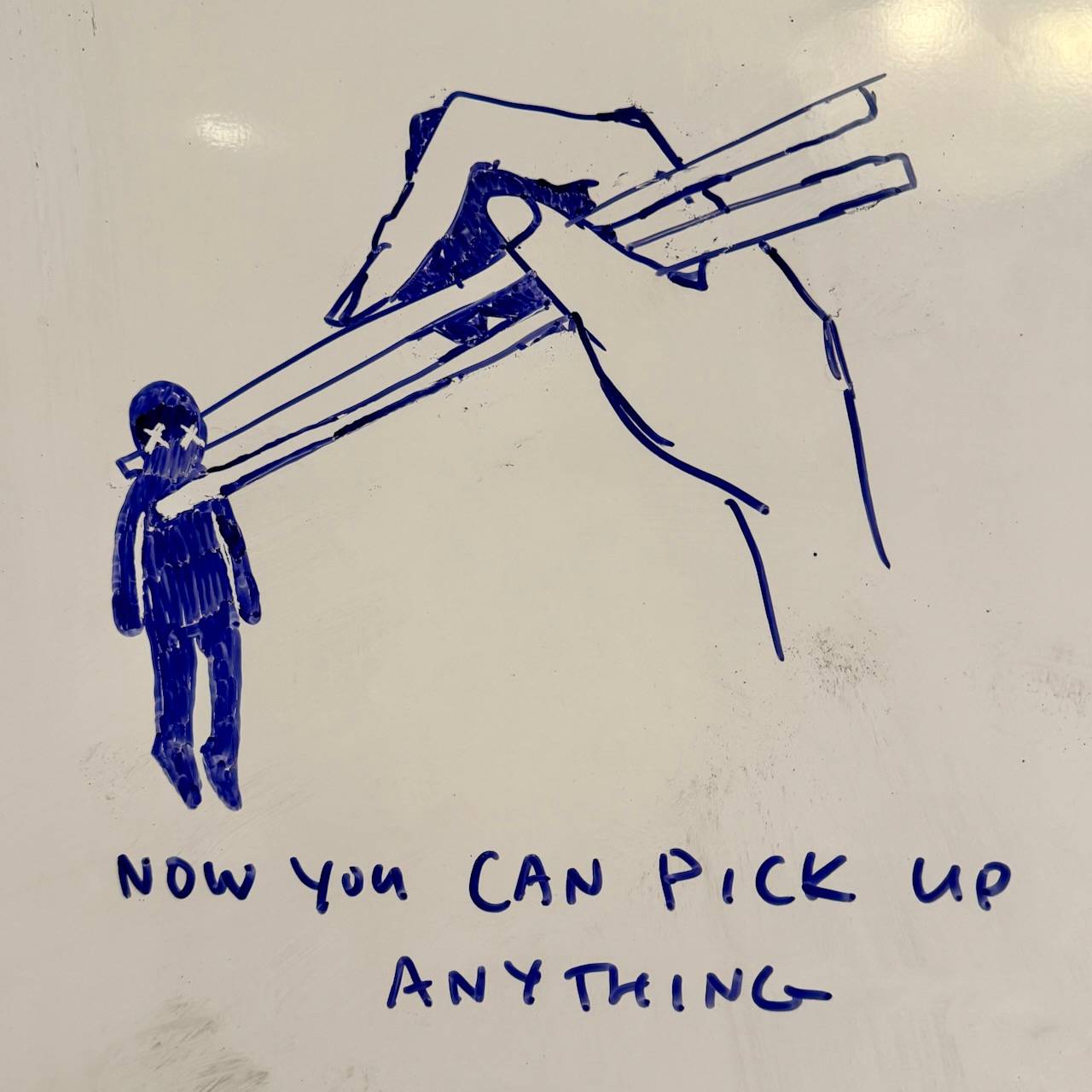
hey, happy AAPI Heritage Month!
I recently watched the fabulous Wim Wenders film Perfect Days, about a humble public toilet cleaner in Tokyo. On the one hand, it's a beautifully spare character study. On the other, it's a celebration of everyday life that is very typically Japanese.
In this issue:
- My recent, life-giving school trip
- The beautiful meaning behind the Japanese obsession with everyday mundanity
- An inspiring quote about writing that will also conveniently let you off the hook
so about that school trip
I recently went on a school visit to Syosset High on Long Island in New York, and it was life-giving.
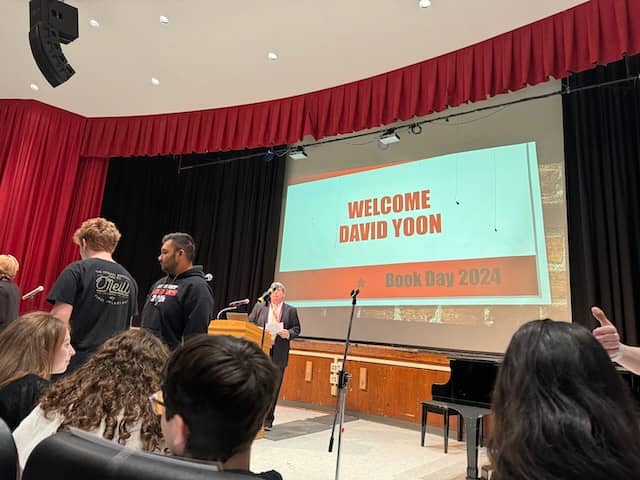
Something like 500 kids read my book Frankly In Love, which is a terrifying thought, and even went so far as do a spoken-word performance using snippets from the novel. Just stunning.
Then I gave a talk entitled "Is there any point to being creative in the age of AI?" (spoiler: yes), answered student questions, signed a bunch of books, and gave a writing workshop on how to create characters the scary way (by basing them on your friends). I even hung out with the Korean Club and Rock Band class afterward.
I flew home with a full heart. I swear I was a teacher in a past life.
the japanese everyday
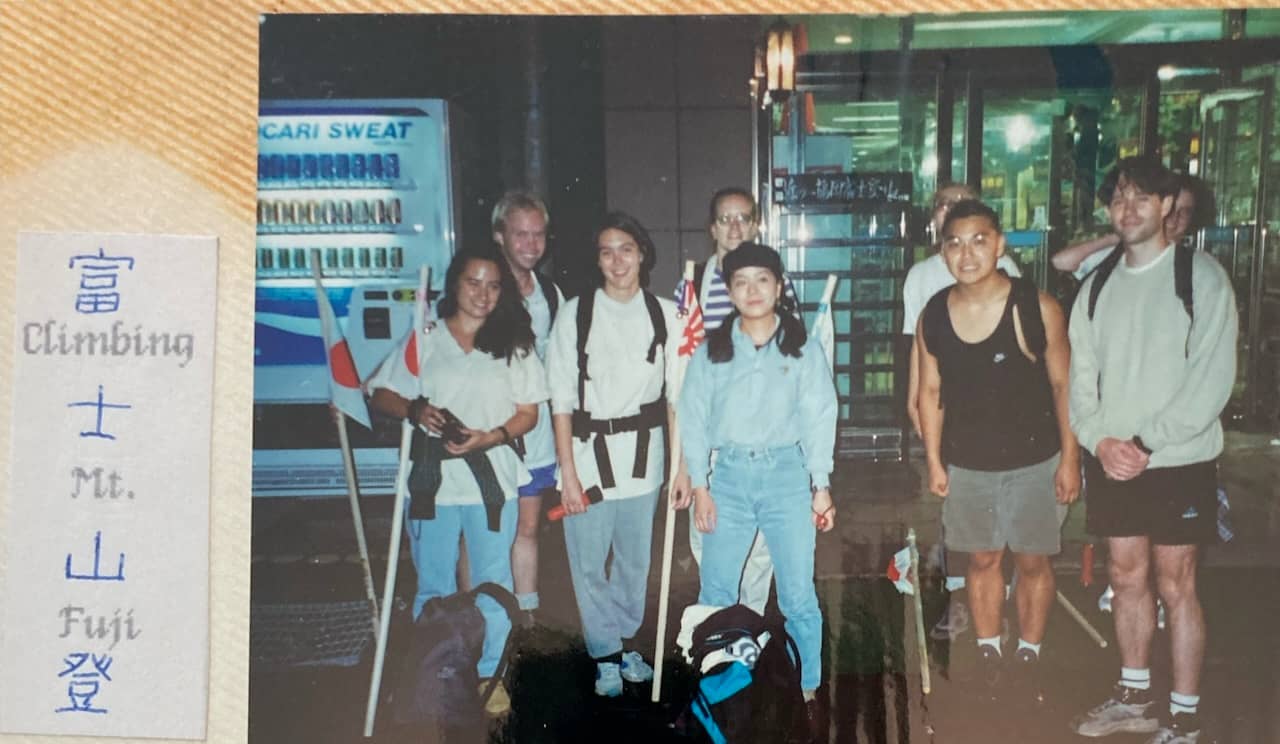
I lived in Japan for four years way back in my 20s, and I noticed how in anime, manga, film, and books, there's always a strong focus on everyday contemporary settings and objects. Riding the train. Going to school. Sitting at a work desk. Preparing dinner.
What a fascinating cultural tic. We Americans almost exclusively tell stories about the extraordinary or sensational—I can't think of many Hollywood movies that would spend more than a few seconds on, say, a shot of someone scrubbing himself in a public sento bath. And yet, that's exactly what we see in a film like Perfect Days.
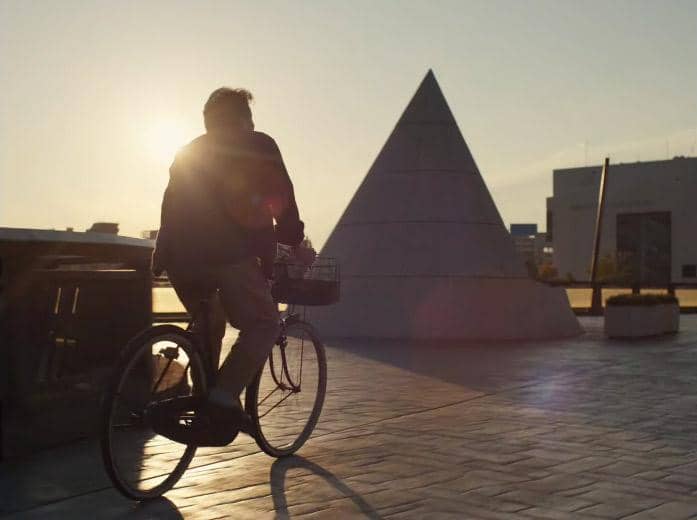
At first, the movie seems to show its progatonist Hirayama going about his daily solo haunts: cleaning toilets, biking to the izakaya, developing film at a mom & pop shop, and so on. But it becomes clear that Hirayama is not a hermit, and that his jaunts are not simply errands. Instead, they are a habit of maintaining connection to the world around him. His tiny humble house, in other words, is not a sad cramped place, but simply one living room in an entire city full of living rooms.
The world rewards Hirayama's daily diligence by foisting needy people upon him: a runaway niece, a child in search of a playmate, a stranger with terminal cancer. But Hirayama doesn't view these people as impositions—he comes to realize that the greatest thing in life is to be needed by those around you. What a beautiful idea.
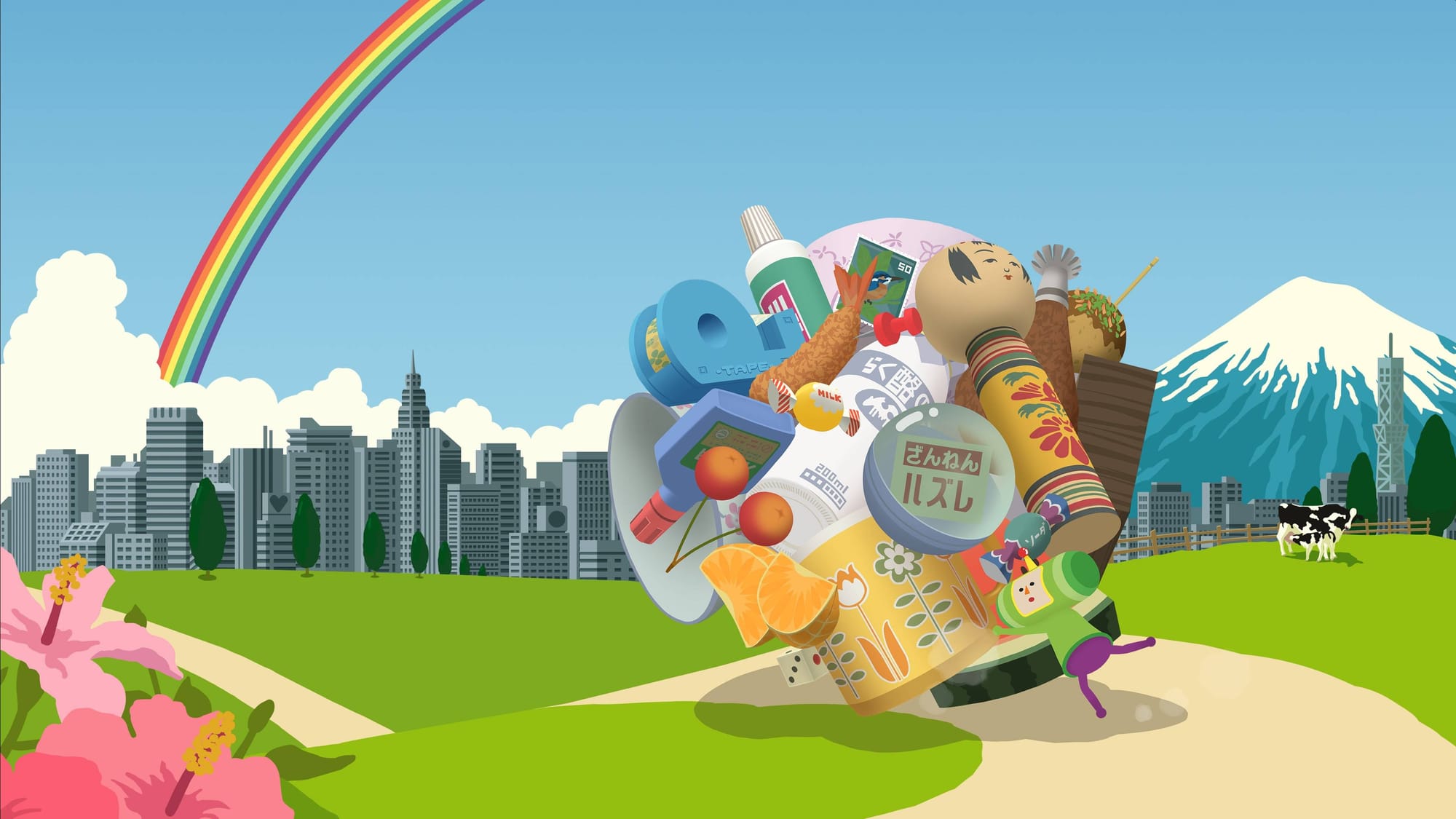
Everywhere in Japanese culture, the everyday ordinary takes on starring roles. I think about Katamari Damacy's huge clumps of stuff, or Haruki Murakami's habit of making his characters fix simple meals in his novels, complete with lists of ingredients and everything. I realize now that huh, I did feel very connected in Japan when I lived there, but not in any big dramatic way. It felt more like a cozy continuous hum that followed me wherever I went.
Anyway, a movie like Perfect Days has a wonderful hangover effect where you begin to savor a walk beneath trees, or going grocery shopping with your mom, or making popcorn in a hand-crank popper (which Nicki did, and her face just lit up with what can only be described as wonder. I wish I had a pic to show you.).
a quote about writing
“All great books about writing are actually great books about thinking.”
That's Jerusalem Demsas, from an Ezra Klein Show episode about why it’s so hard to build in America. Basically, if you're pacing around the house like a ghost trying to solve some narrative problem, that still counts as writing. It's okay to step away from the computer!
lastly, letterloop
The Letterloop tea party continues on! Here's a small sample of some more interesting answers from the latest issue. Reminder: if you're interested in joining, just email me with "yes." It's nice getting to know you!
What is one of your comfort foods?
- Linsdey: deffo noodles cooked in lamb broth
- Dave: Absolutely hands-down Shin Ramyun Black. Add in kimchi, tofu and/or ramen egg, scallions, a blob of gochujang, maybe a dash of rice vinegar, and then top it off with those Gim-me seaweed sheets from Whole Foods.
- Ruth: Tacos
- Christy: Lasagna.
- Chang: My comfort food of late has been Curry Flavored Cup of Noodles. Instead of just adding hot water to the package, I crush the noodles down to "rice-size" bits and then add a little less hot water than advised. The resulting concoction tastes like curry rice-ish.
- Swathi: Carbohydrates
What’s the most surprising thing you learned in the last year?
- Dave: The most surprising thing I learned is the amount of trauma we still have the process from the pandemic. I found it's easy to pretend that nothing happened and everything is largely back to normal, but when I see things—the increased road rage, the ennui and dissatisfaction around me, the constant need for distraction—I realize how hurt we all got and how badly.
- Christy: How desperately kids need unstructured, in-person play. I just finished "The Anxious Generation," and studying it is transforming the way I teach and interact with students. Also, I always thought I was more of a fiction lover, but I've been reading so much great nonfiction--I think my tastes are shifting.
- Chang: Last year I learned how common broken fibulas are amongst adolescents. The fibula is a non weight bearing leg bone and when someone lands awkwardly on their feet, they may stress and and fracture the bone. My son broke his fibula while playing ice hockey and thankfully recovered after surgery which I learned was pretty standard at the children's hospital. During this time I also learned of many stories and saw many X-Rays of broken fibulas from hockey players and adolescents who fell of trampolines.
Again, if you want to get in on the Letterloop fun, just shoot me an email and say Yes!
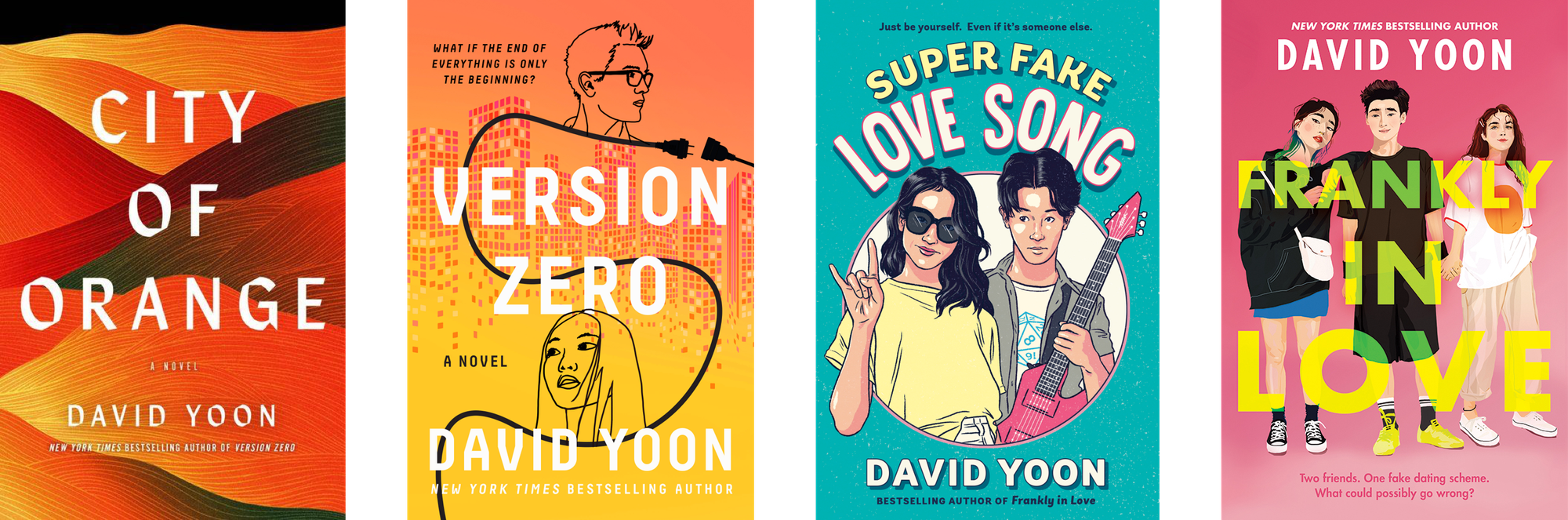
| David Yoon is the New York Times bestselling author of City of Orange, Version Zero, and for young adults, Super Fake Love Song and Frankly In Love. |
 |
| He’s also the co-founder (with wife Nicola Yoon) of the Random House imprint Joy Revolution, which publishes love stories starring people of color. |
 |